Key Takeaways
- Functional fitness trains the movements you already make every day
- 5 simple exercises can build strength and balance with little to no equipment
- Short, consistent practice supports mobility, independence, and confidence
Everyday Strength Starts with Practical Movement
Reaching for a bowl on the top shelf, carrying a bag of oranges from the car, standing up from a favorite armchair without a second thought. When these small moments shift from effortless to obstacles, it can change everything about your day.
Functional fitness uses simple, repeatable exercises that mirror real-life movements, helping you move through your day with strength, balance, and confidence.
October 28th marks National Senior Health and Fitness Day, a yearly reminder to celebrate movement, connection, and the joy of staying active at every age.
What Functional Fitness Means for Older Adults
Functional fitness looks a lot like life. Instead of isolating one muscle at a time, it trains squats, lifts, reaches, twists, and steps—the same patterns you use from morning coffee to evening walks.
Because these moves work several muscle groups together, your body learns to coordinate. That teamwork between legs, core, and arms is what makes a grocery bag feel lighter and a curb feel lower.
Why It Matters Day to Day
Rising from a chair takes less effort. Stairs feel more manageable. Groceries make it to the kitchen counter in one trip instead of 3.
Beyond convenience, this kind of training supports balance, mobility, and independence, while helping to reduce the risk of falls and injuries. Those are the things that keep your calendar full of what you actually enjoy, whether that’s gardening, dancing, or chasing grandkids across a lawn.
5 Functional Fitness Exercises to Try
You don’t need a gym membership or complicated gear. These 5 moves fit in a living room and can be adjusted to match how you feel that day.
- Half squat or split squat: Stand tall, lower a few inches as if sitting back into a chair, then rise. A split stance with one foot forward adds a balance challenge.
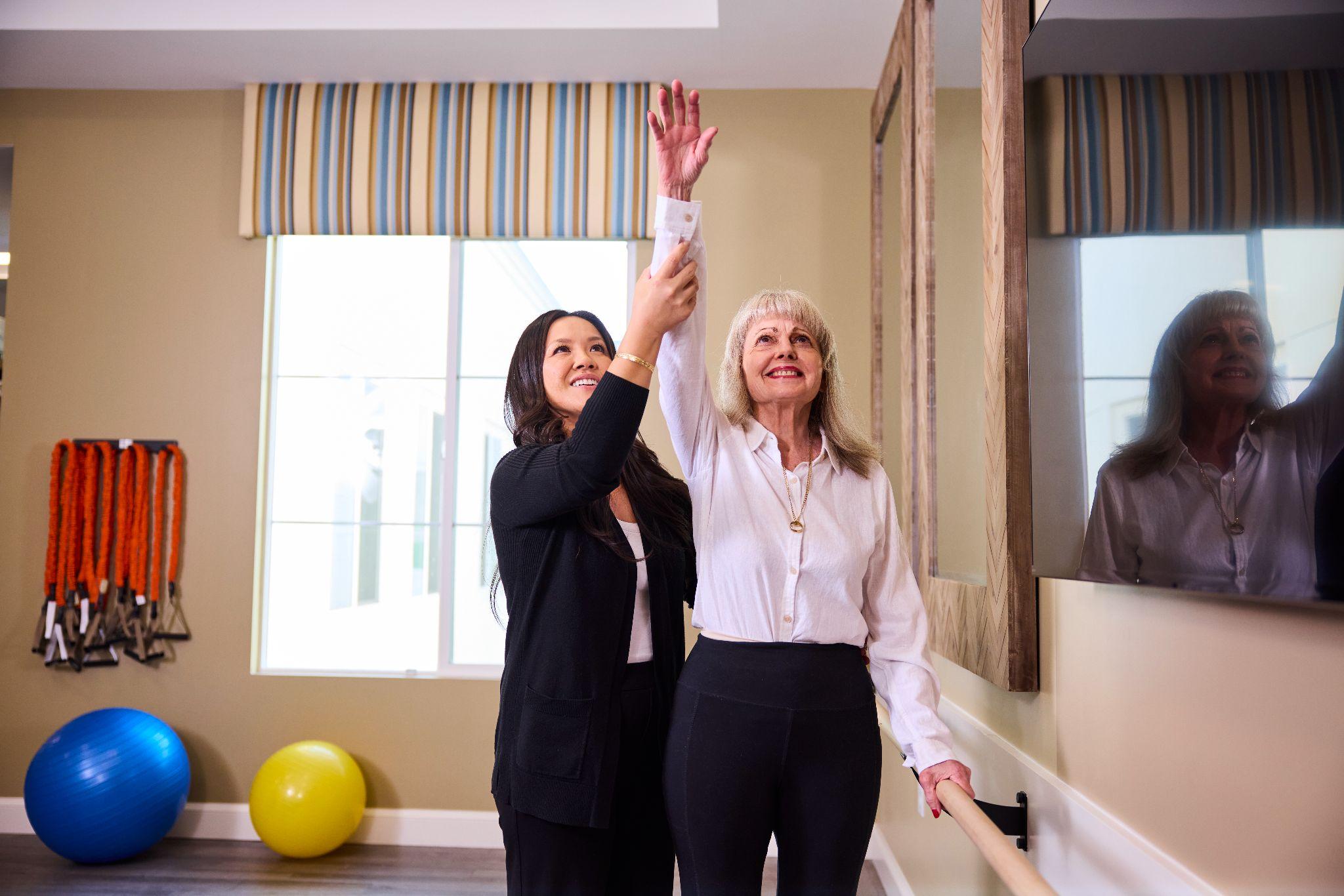
- Overhead press with light weights: Hold a weight in each hand at shoulder height and press upward, mimicking the reach for a top shelf.
- Weighted pull from a squat: Start in a shallow squat holding a light weight low, then stand and pull it toward your chest like lifting a laundry basket.
- Farmer’s walk with hand weights: Carry a weight in each hand and walk across the room with an upright posture and steady steps, like carrying groceries.
- High-knee balance hold near a chair: Rest a hand on a chair back, lift one knee to about a 90-degree angle, and hold for a few seconds before switching sides.
How to Perform Each Move Safely
Keep a sturdy chair or kitchen counter within arm’s reach so a wobbly moment turns into a non-event. Start with small sets, maybe 5 to 8 repetitions, and move at a slow, controlled pace. Breathing should stay easy enough to hold a conversation.
If a movement feels sharp or uncomfortable, shorten the range or pause. Progress comes from consistency, not from pushing through discomfort.
Simple Equipment and Home Setup Ideas
A few affordable, small-footprint items can cover almost everything on this list. Light dumbbells, resistance bands, and a small ball give you plenty of variety without cluttering a room.
No weights on hand? Full water bottles can work just as effectively. Canned goods do the job too, and they’re already in the pantry.
Set yourself up for success with a space that supports you:
- A clear area with no rugs or cords underfoot
- A sturdy chair that doesn’t slide or roll
- Flat, supportive shoes with good grip
- Water within reach and good lighting overhead
How Often to Move Each Week
Start with 2 short sessions a week, and even 15 minutes counts when the movements are purposeful.
Add a daily walk at whatever distance feels comfortable, whether that’s around the block or down a garden path. Walking pairs naturally with strength work and helps keep joints feeling loose.
If something feels uncomfortable, ease back. Rest days are part of the plan, not a setback.
Ways to Stay Motivated
Movement tends to stick when it’s social. A group class, a walking partner, or a neighbor who expects you at 9 AM can turn exercise into the highlight of the morning.
Track small wins, too. Maybe you held that balance for 10 seconds instead of 5, or carried the laundry basket without setting it down. Those markers tell a bigger story over a few months.
Movement, Connection, and Life at Clearwater at North Tustin
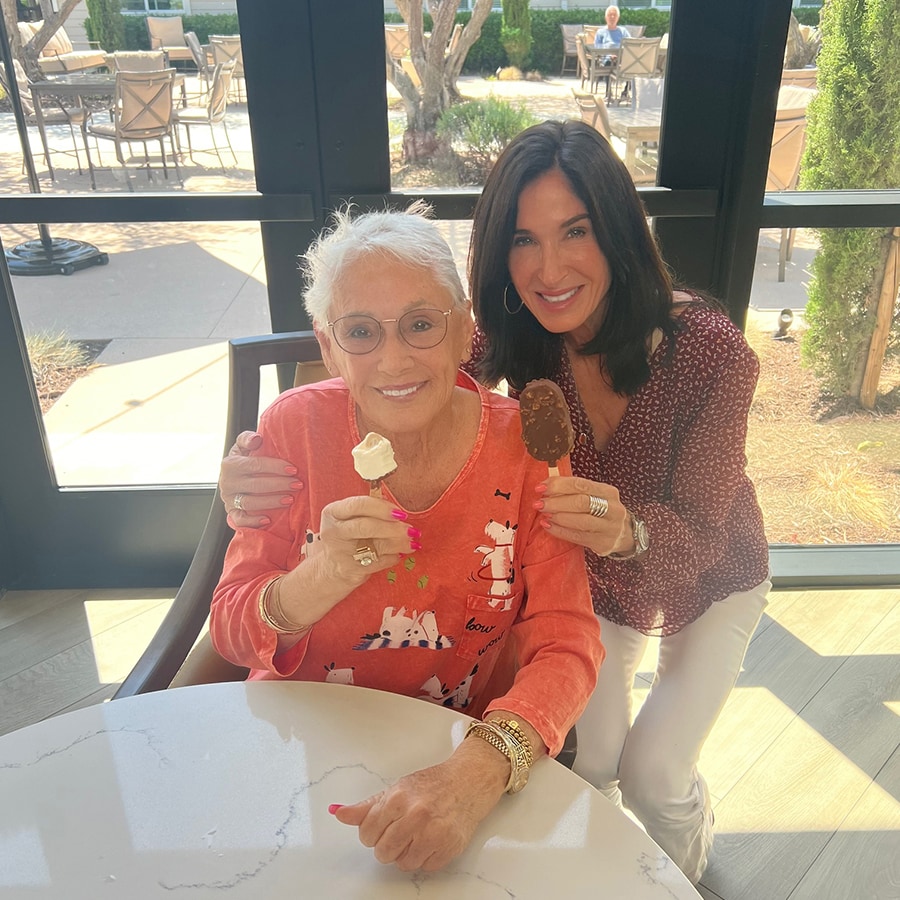
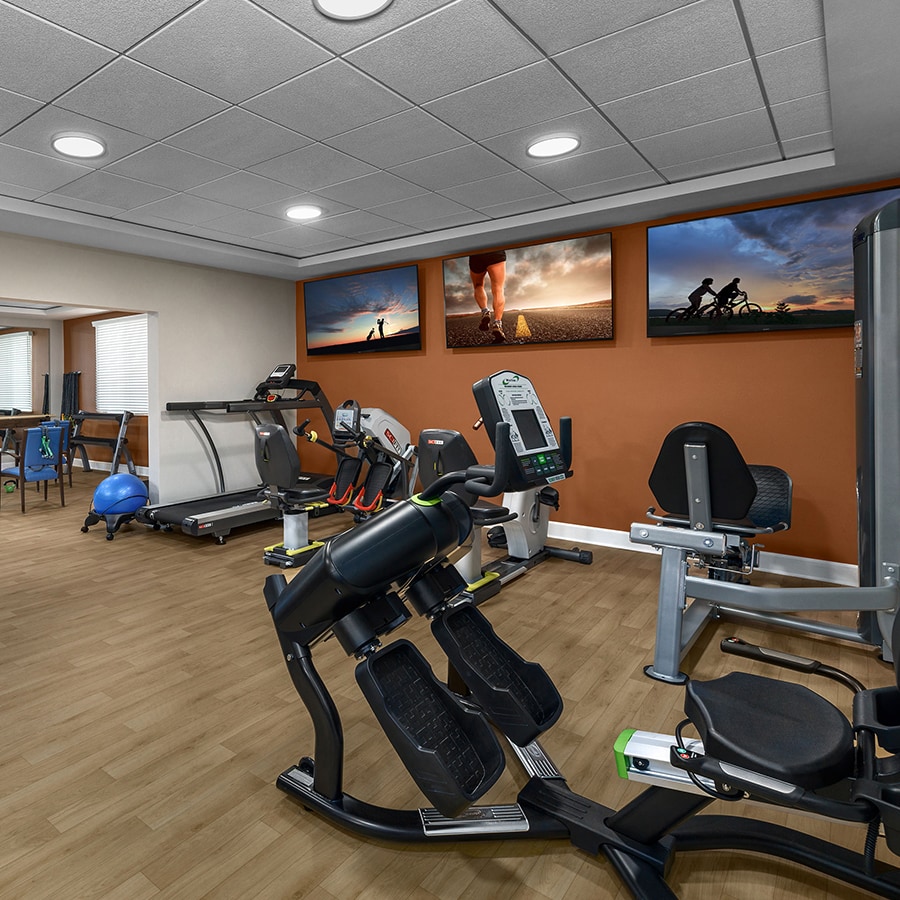
At Clearwater at North Tustin, fitness isn’t something squeezed into a corner of the week. It’s a meaningful part of daily life through classes, walking paths, and gatherings that make staying active feel less like a task and more like a good time with friends.
Team members learn how you like to move and adjust support to match. That’s true whether you’re in assisted living or memory care. An independent spirit stays front and center at every level of senior living here.
Schedule a visit to see how movement, connection, and personalized care come together in Santa Ana. Your next chapter can feel just as active as the last.